
Moisture on or around windows can be totally normal, or it can be a sign your window system is failing. The tricky part is that “condensation” gets used to describe a few different problems that have very different fixes.
This guide helps Nassau County and Suffolk County homeowners identify what they’re actually seeing, run a few quick at-home checks, and decide when a simple fix is enough versus when it’s time for repair or replacement. If you’d rather have a pro diagnose it quickly, start with window repair and replacement services so you can confirm the cause before putting money into the wrong solution.
The fastest way to diagnose: where is the moisture?
The location of the moisture usually tells you the cause.
1) Condensation on the inside surface (room side)
This is typically a humidity and airflow issue, not a “bad window” issue.
Common causes:
- High indoor humidity (showers, cooking, humidifiers)
- Poor ventilation (especially in bathrooms and kitchens)
- Cold nights and warm indoor air hitting cold glass
- Furniture or curtains blocking airflow at the window
2) Condensation on the outside surface (exterior side)
This often means your window is insulating well and the outer pane is staying cooler than the outdoor air’s dew point. It can be normal, especially on cool mornings.
3) Fog or moisture between the panes
This is the big one. Moisture between panes usually points to a failed seal in a double-pane or triple-pane window. When the seal fails, insulating gas can escape, and moisture can enter, creating persistent fogging that does not wipe off.
4) Water around the frame, sill, or drywall
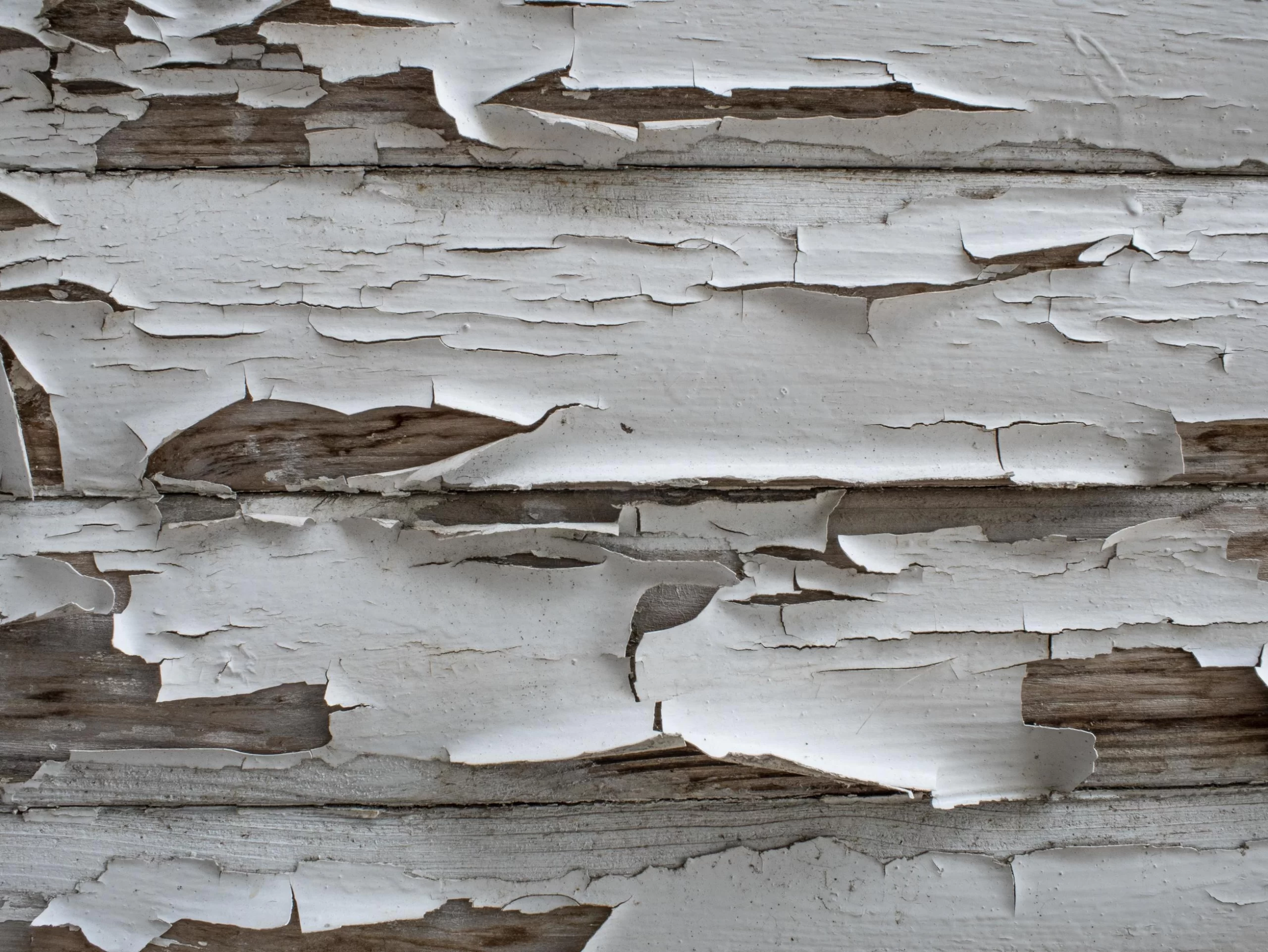
This is more serious. It can indicate water intrusion, failed caulk, flashing issues, or drainage problems in the window opening. If you see staining, peeling paint, soft wood, or bubbling drywall, treat it as a priority.
Normal condensation vs window failure: what it looks like in real life
Here are the most common “symptom patterns” and what they usually mean.
If it wipes away easily, it’s usually condensation
If moisture is on the room-side glass and you can wipe it off, your window may be fine. Focus on humidity and airflow fixes first.
If it never wipes away, it’s usually a seal issue
If the fog looks trapped, hazy, or cloudy and doesn’t go away with cleaning, you’re likely dealing with between-pane moisture from seal failure.
If you see water damage near the window, assume intrusion
If the wall, trim, or sill is showing damage, don’t write it off as “condensation.” Moisture might be getting in around the frame or moving through materials.
Quick homeowner tests you can do in 10 minutes
These checks won’t replace a professional inspection, but they can help you narrow down the likely cause.
The wipe test
- Wipe the inside glass with a dry microfiber cloth.
- If it clears instantly and comes back later, it’s likely indoor humidity.
- If it does not clear and looks trapped, it’s likely between panes.
The paper test for air leaks
- Close and lock the window.
- Hold a small strip of tissue paper near the edges and corners.
- If the paper moves noticeably, you may have an air leak around weatherstripping or the sash.
The flashlight angle check
At night, shine a flashlight across the glass at a low angle.
- If you see haze that looks “inside” the glass, it’s often between panes.
- If you see streaks or film that looks on the surface, it’s likely a cleaning or residue issue.
The frame and sill check
Look for:
- Discoloration or staining
- Soft wood (gentle press test)
- Peeling paint that keeps returning
- Bubbling drywall or swelling trim
If any of these show up, you may have water intrusion, not just “window fog.”
Why does condensation happen even with good windows
It helps to understand the physics for a second, because it reduces guesswork.
Condensation forms when warm, moist air hits a cooler surface and the air can’t hold that moisture anymore. In winter, your indoor air is warm and your window glass is cold, especially overnight. In summer, you can also get condensation if you have strong AC and humid outdoor air interacting with cooler surfaces.
In a lot of homes, the windows are not the core problem. The core problem is indoor moisture and insufficient airflow at the window.
Fixes for inside condensation (humidity and airflow)
If your condensation is on the inside surface and wipes away, try these improvements before assuming the window failed.
Reduce indoor humidity
- Use bathroom fans during and after showers
- Use kitchen exhaust fans while cooking
- Avoid drying laundry indoors without ventilation
- Keep humidifiers on a lower setting
Improve airflow at the window
- Open blinds and curtains periodically
- Keep furniture slightly off windows and baseboard vents
- Run ceiling fans to circulate air
- Maintain consistent indoor temperatures
Keep drainage paths clear
If your windows have tracks or weep holes, they may need cleaning so the system can drain properly.
Fixes for drafts and minor leaks (without replacing the window)
Sometimes what feels like “bad windows” is actually a sealing issue.
Common improvements:
- Replace worn weatherstripping
- Re-caulk exterior gaps where appropriate
- Check locks and latches to ensure proper compression
- Address minor sash alignment issues
If you feel a consistent draft or see visible gaps, it’s worth fixing. Drafts waste energy and can contribute to condensation by keeping glass colder than it should be.
When fog between panes means the window is failing
Between-pane fogging is usually a seal failure. This is more than a cosmetic issue.
What seal failure can cause:
- Persistent fogging and reduced clarity
- Reduced insulation performance
- Higher heating and cooling load
- In some cases, worsening moisture issues around the opening
At this point, the decision becomes “repair strategy vs replacement plan,” and the best move depends on window age, frame condition, and how widespread the issue is.
If you want a broader replacement-focused checklist (beyond fogging), their related post is helpful: Signs It’s Time to Replace Your Home’s Windows.
Red flags that require faster action
If you see any of the following, treat it as more urgent than a simple condensation annoyance:
- Water staining on the drywall around the window
- Soft or rotting wood at the sill or lower frame corners
- Bubbling paint, swelling trim, or peeling that returns quickly
- Moldy smell near the window area
- Leaks during wind-driven rain
These signs point toward water intrusion or ongoing moisture exposure, which can damage framing and interior finishes over time.
What to ask a contractor so you get the right fix
Whether you’re requesting window repair, replacement, or just an inspection, these questions keep the scope clear.
Ask:
- Is the moisture on the surface, or is it between panes?
- Are there signs of seal failure, drainage issues, or water intrusion?
- Are the frame and sill structurally sound?
- Are drafts coming from the window unit, or from gaps around it?
- If replacement is recommended, is it because of performance, damage, or both?
Clear answers here prevent the most common mistake: replacing windows when the real issue is ventilation, or patching a seal when the opening is leaking.
FAQ
Why do I get condensation on my windows in winter?
Warm indoor air carries moisture. When it touches cold glass, that moisture can condense. This is more common with higher indoor humidity, colder nights, and limited airflow near windows.
Is condensation on the outside of my windows a bad sign?
Not always. Exterior condensation can happen when outside air is humid, and the outer glass stays cool. It can occur even with good windows.
How can I tell if fog is between the panes?
Try wiping the inside glass. If the haze does not wipe away and looks trapped “within” the window, it is often between panes and typically points to a seal failure.
Are drafts always a sign that I need new windows?
No. Drafts can come from worn weatherstripping, poor sash alignment, or gaps around the frame. Many draft issues can be improved without full replacement, depending on the window condition.
Can a failed window seal be repaired?
Some solutions exist depending on window type and age, but many homeowners choose replacement when seal failure affects comfort or appears across multiple windows. The best option depends on the window system and overall condition.
What if I see water stains or bubbling paint near a window?
Treat it as a potential water intrusion issue. Staining, soft wood, or repeated peeling can signal ongoing moisture exposure that needs a proper fix, not just paint touch-ups.
Next step: get a clear diagnosis and a plan that actually solves the problem
If you’re in Nassau County or Suffolk County and you’re dealing with foggy windows, drafts, or moisture around the frame, the next step is confirming where the moisture is coming from and whether it’s a ventilation issue, a sealing issue, or a failing window unit.
Request an inspection or quote here: contact Doug’s Painting & Contracting and mention whether the moisture is on the inside surface, outside surface, between panes, or around the frame. If you can, include a few photos of the affected window, the corners of the frame, and any staining on nearby trim or drywall.