
Quick Answer: “Most Long Island homes need exterior repainting about every 5 to 10 years, but the right timing depends on siding material, sun exposure, moisture, previous paint quality, and surface preparation. Wood siding may need attention sooner, while properly painted fiber cement or masonry surfaces can often go longer between full repainting projects.”
Exterior paint protects much more than your home’s appearance. It helps shield siding, trim, fascia, doors, and other surfaces from moisture, sunlight, temperature changes, and everyday weather exposure.
For homeowners in Nassau County and Suffolk County, repainting on the right schedule is especially important because exterior surfaces go through humid summers, cold winters, rain, snow, strong sun, and repeated temperature swings. Waiting until paint is badly peeling can turn a straightforward painting project into a larger repair job.
Doug’s Painting and Contracting provides professional exterior painting services in Nassau & Suffolk County for homeowners who want proper preparation, durable exterior coatings, and a finish built for local weather conditions.
How Often Should You Repaint Different Exterior Surfaces?
There is no single repainting schedule that applies to every house. The material underneath the paint is one of the biggest factors.
| Exterior surface | Typical repainting range | What can shorten the interval |
| Wood siding | About 3–7 years | Strong sun, moisture, poor previous prep |
| Aluminum siding | About 5–10 years | Fading, chalking, oxidation |
| Stucco | About 5–10 years | Cracking, moisture, intense sun |
| Fiber cement | About 7–15 years | Paint quality, exposure, installation |
| Painted brick or masonry | Often 8–15+ years | Moisture, coating type, surface condition |
| Exterior trim | Often sooner than siding | Water exposure, joints, rooflines, windows |
These are planning ranges, not deadlines. A house with excellent preparation and moderate exposure can outperform them, while a poorly prepared surface may start failing much sooner.
The condition of the paint matters more than the calendar.
Why Long Island Weather Affects Exterior Paint Life
Exterior paint expands, contracts, gets wet, dries, heats up, cools down, and absorbs sunlight every day. Long Island’s seasonal changes put coatings through repeated stress.
Humidity and Moisture
Humid weather can make surfaces stay damp longer, particularly on shaded sides of the home.
Moisture can contribute to:
- Mildew growth
- Peeling coatings
- Failed caulk
- Soft exterior wood
- Bubbling paint
- Staining around windows and trim
Paint performs best when water is kept out of the substrate and the surface can dry properly.
Winter Temperature Changes
Cold weather can expose weaknesses in older paint. Small cracks and open joints allow moisture to enter, and repeated freezing and thawing can make existing damage worse.
Strong Sun Exposure
South- and west-facing walls generally receive more direct sunlight.
UV exposure can lead to:
- Fading
- Chalking
- Loss of sheen
- Brittle coatings
- Earlier color deterioration
One side of a house may therefore need attention before the others.
Coastal Exposure
Homes closer to the water may experience additional exposure to wind, moisture, and salt carried through the air.
That does not automatically mean the house needs painting more frequently, but exposed surfaces should be inspected regularly.
What Are the Signs Your House Needs Repainting?
Do not wait for large sheets of paint to fall from the house. Early signs usually appear first.
Fading Color
Fading alone does not always mean the coating has failed, but it is a useful warning sign.
Dark colors and surfaces receiving strong sunlight may fade faster than protected areas.
If the color difference between shaded and exposed walls becomes obvious, the finish may be approaching the end of its best appearance.
Chalking
Chalking creates a powdery residue on the paint surface.
Run a clean hand over the siding. If a noticeable powder transfers to your fingers, the coating may be breaking down.
Some chalking can occur naturally as exterior paint ages, but heavy chalking should be addressed before repainting.
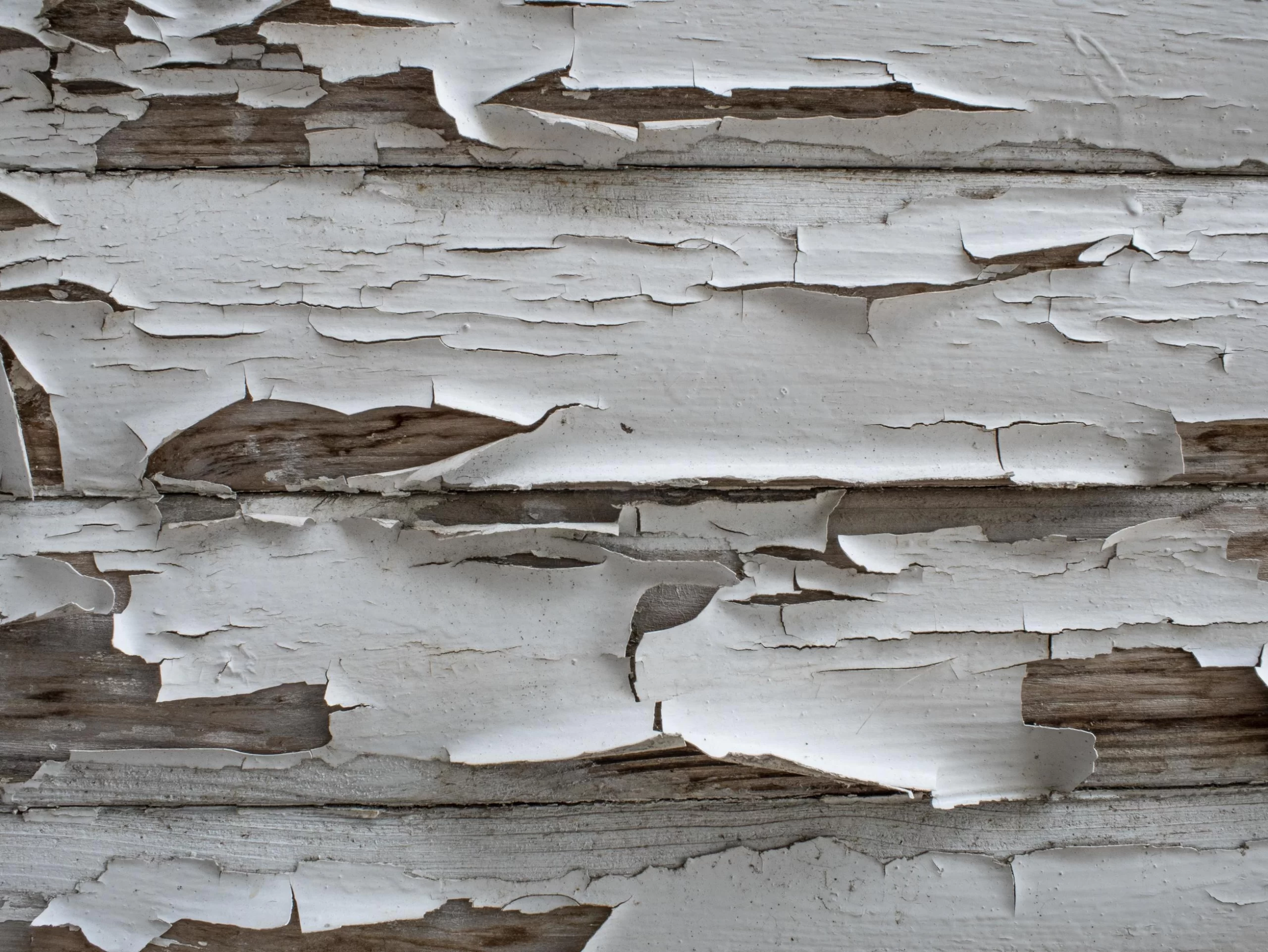
Peeling or Flaking Paint
Peeling means adhesion is failing.
Common causes include:
- Moisture behind the coating
- Poor surface preparation
- Painting over loose existing paint
- Applying paint to damp surfaces
- Aging coatings
- Water entering through joints or trim
The cause should be corrected before new paint is applied.
Cracking
Small cracks can develop as paint ages. If they begin spreading or opening, the coating may no longer be protecting the surface effectively.
Exposed Bare Wood
Bare exterior wood should not be ignored.
Once paint has worn away, the wood loses a major layer of protection against moisture. Bare areas should be prepared, primed, and recoated before deterioration develops.
Failed Caulk
Exterior paint projects often involve more than coating the siding.
Caulk around windows, doors, trim, and other appropriate joints may crack or separate over time. Those gaps can allow water behind exterior materials and should be evaluated during preparation.
Does Wood Siding Need Painting More Often?
Yes, painted wood siding often requires more frequent attention than lower-maintenance exterior materials because wood reacts directly to moisture and temperature changes.
Wood expands and contracts. If the coating becomes damaged, moisture can enter the fibers and contribute to:
- Splitting
- Swelling
- Checking
- Rot
- Paint failure
- Open joints
A wood-sided home may need repainting toward the shorter end of the usual range when it receives strong sun or frequent moisture exposure.
Good preparation is particularly important with wood. Loose paint should be removed, damaged areas should be repaired, bare wood should be primed, and moisture problems should be corrected before recoating.
How Long Does Paint Last on Aluminum Siding?
Paint on properly prepared aluminum siding can often last many years, but fading and chalking are common reasons homeowners repaint it.
Older aluminum siding may develop oxidation, creating a powdery surface that needs proper cleaning and preparation before painting.
Simply applying new paint over oxidation can reduce adhesion.
Homeowners often repaint aluminum siding because:
- The color has faded significantly
- The finish looks chalky
- The original factory finish looks dated
- Previous paint is wearing unevenly
- They want to modernize the home’s exterior
Surface condition should determine the timing rather than age alone.
What About Fiber Cement, Stucco, and Masonry?
These materials can often go longer between full repainting projects than exposed wood, but each has its own maintenance needs.
Fiber Cement
Fiber cement holds paint well when installed and prepared correctly.
Inspect it for:
- Fading
- Cracked joints
- Failed caulk
- Edge damage
- Areas where moisture is collecting
If the surface remains sound and the coating is intact, repainting may not be necessary simply because a certain number of years has passed.
Stucco
Stucco should be checked for cracks as well as paint wear.
Small cracks may need appropriate repair before painting. Larger or recurring cracks can indicate a separate issue that should be investigated rather than simply covered.
Painted Masonry
Brick and masonry require coatings suited to the material. Moisture movement is particularly important because inappropriate coatings can trap moisture.
Existing paint condition and the type of coating already on the surface should be understood before another coat is applied.
Why Does One Paint Job Last Longer Than Another?
Two houses painted in the same year may need repainting at very different times.
The difference often comes down to preparation and application.
Surface Preparation Determines Paint Life
Exterior painting should not begin with opening the paint can.
Preparation may include:
- Cleaning dirt and mildew
- Removing loose paint
- Scraping failing edges
- Sanding rough transitions
- Repairing damaged trim
- Addressing moisture sources
- Priming bare surfaces
- Sealing appropriate gaps
- Allowing surfaces to dry properly
Painting over a weak surface creates a weak paint job.
Proper preparation gives the new coating a clean, stable surface to bond to.
Paint Quality Matters
Exterior paints are formulated differently from interior paints because they must handle changing weather conditions.
Higher-quality exterior coatings generally provide better resistance to:
- UV exposure
- Moisture
- Fading
- Expansion and contraction
- Mildew
- Surface wear
The right product should also be compatible with the substrate and existing coating.
Application Conditions Matter
Exterior paint needs suitable conditions to dry and cure.
Painting immediately before rain, during extreme heat, or on damp surfaces can affect the final result.
Temperature, humidity, sun exposure, and drying time all matter.
For more detail on preparation, weather timing, and material selection, read these exterior painting tips for long-lasting results in Suffolk County.
Should You Repaint Before the Paint Starts Peeling?
Usually, yes.
Repainting while the existing coating is still mostly sound can make preparation easier and help protect the material beneath it.
Waiting for widespread peeling can create additional work because:
- More scraping may be necessary
- Bare surfaces may require additional priming
- Wood may begin deteriorating
- Failed caulk may allow moisture inside
- Trim repairs may become necessary
Think of exterior paint as preventive maintenance rather than a cosmetic emergency.
The ideal time to repaint is often when the current finish is clearly aging but has not yet failed extensively.
Which Parts of the House Need Attention First?
Exterior paint does not wear evenly.
Certain areas deserve closer inspection.
Window and Door Trim
Trim contains joints, corners, and horizontal surfaces where water can collect.
Check for:
- Peeling
- Open caulk joints
- Soft wood
- Cracks
- Dark moisture stains
Fascia and Soffits
Roofline trim is exposed to gutter problems, roof runoff, and wind-driven rain.
Paint failure here may indicate more than normal aging.
South- and West-Facing Walls
These surfaces often receive greater UV exposure and may fade earlier.
Areas Close to Landscaping
Bushes and plants can reduce airflow and keep siding damp after rain.
Maintain reasonable space between vegetation and painted surfaces.
Porch and Entry Areas
Doors, columns, railings, and trim around entryways receive frequent use and weather exposure and may need touch-ups before the rest of the home.
Can You Paint Only One Side of the House?
Yes, in some situations.
If one elevation receives much more sun or weather exposure than the others, it may deteriorate sooner.
Selective repainting can make sense when:
- The remaining sides are still in excellent condition
- The color can be matched accurately
- The coating system is compatible
- There is a logical stopping point at corners
However, large differences in age and fading can make color matching difficult.
A professional inspection can help determine whether spot painting, one-side repainting, or a complete exterior repaint is the cleaner long-term option.
How Often Should Exterior Trim Be Repainted?
Trim may need attention before the main siding.
Window surrounds, door frames, fascia, soffits, and decorative woodwork often include more joints and edges than broad siding surfaces. These areas can also collect water and receive direct weather exposure.
Inspect trim annually for:
- Peeling paint
- Cracked caulk
- Bare wood
- Soft areas
- Open joints
- Water stains
Repairing and repainting a small trim problem early can prevent a larger carpentry repair later.
What Time of Year Is Best for Exterior Painting on Long Island?
Exterior painting generally works best during periods of moderate temperatures, manageable humidity, and a low chance of rain.
Spring, summer, and early fall can all provide workable conditions, but individual weather conditions matter more than the month printed on the calendar.
A good painting window should provide%3