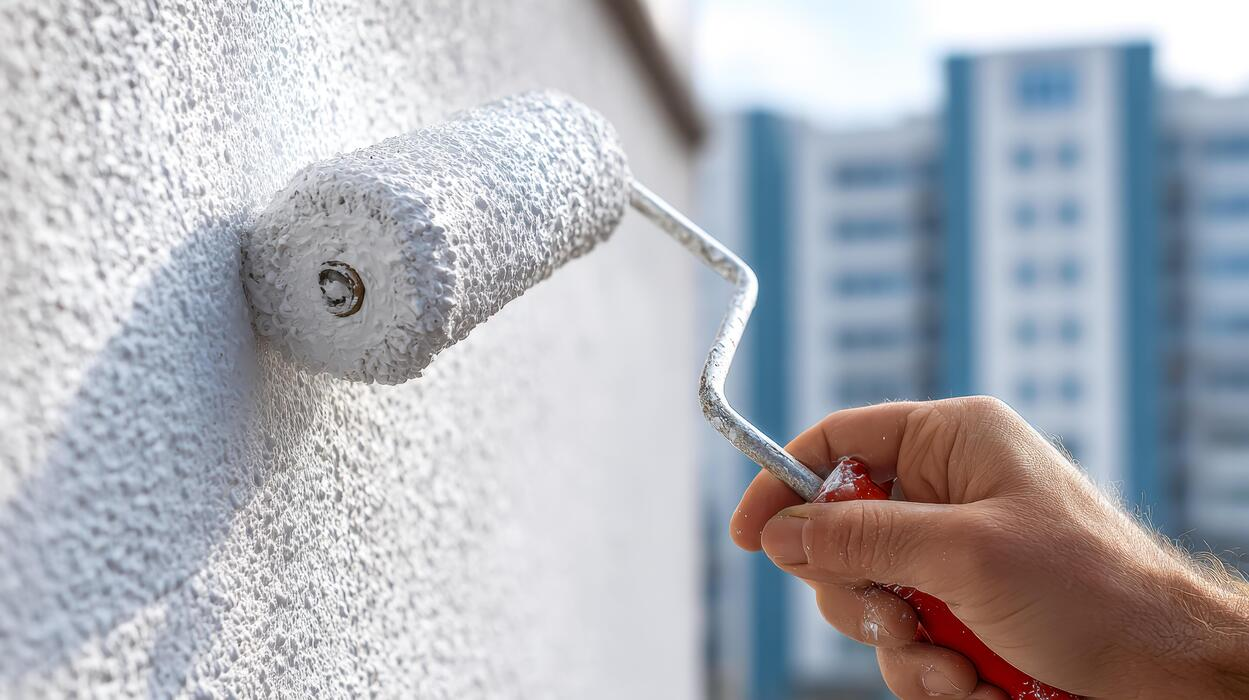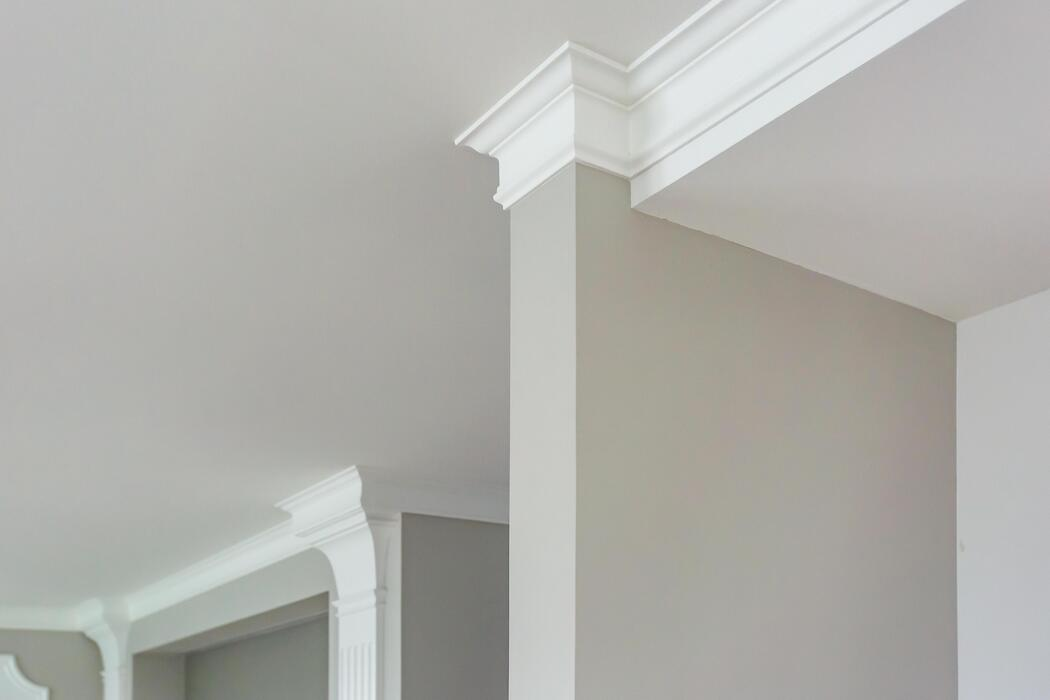

Quick Answer: “Exterior trim probably needs paint when the surface is faded, chalky, or lightly peeling, but the wood underneath remains hard and solid. It may be rotting when it feels soft, crumbles under pressure, shows deep cracks or dark staining, or stays damp. Rot must be repaired before the trim is primed and painted.”
Peeling paint does not always mean the wood beneath it is rotten. Exterior paint naturally fades, cracks, and loses adhesion over time due to exposure to the sun, rain, humidity, and temperature fluctuations. In other cases, damaged paint is the first visible sign that moisture has reached the trim and started breaking down the wood.
The difference matters because repainting sound wood can protect it for years, while painting over rot only hides the problem temporarily. Homeowners in Nassau County and Suffolk County should inspect exterior trim carefully before deciding whether the project needs surface preparation, localized repair, or complete trim replacement.
Exterior trim around windows, doors, rooflines, porches, and corners often requires both repair knowledge and careful finish work. Doug’s Painting and Contracting provides professional carpentry services in Nassau & Suffolk County for exterior woodwork, trim repairs, custom carpentry, and related home improvements.
Exterior Trim Rot vs Paint Failure
The easiest way to tell the difference is to check both the coating and the wood underneath it.
| Sign | More Likely Paint Failure | More Likely Wood Rot |
| Faded or chalky color | Yes | Not by itself |
| Thin surface peeling | Often | Possibly |
| Wood remains hard | Yes | Usually no |
| Soft or spongy wood | No | Yes |
| Crumbling edges | No | Yes |
| Deep cracks in the wood | Possibly | Often |
| Dark, damp staining | Possibly | Often |
| Repeated peeling in one spot | Moisture may be present | Rot may be developing |
| Musty smell | Uncommon | Possible |
| Paint bubbles after rain | Moisture issue | Possible hidden rot |
Paint failure usually affects the coating first. Rot changes the condition and strength of the wood itself.
What Does Normal Paint Failure Look Like?
Exterior trim may only need repainting when the wood is still structurally sound and the damage is limited to the coating.
Common signs include:
- Faded color from sunlight
- Chalky residue on the surface
- Small areas of flaking paint
- Hairline cracks in the finish
- Dull or uneven sheen
- Exposed primer beneath the topcoat
- Dry wood that remains firm when pressed
These problems still need proper preparation. Loose paint should be removed, rough edges should be sanded, gaps should be sealed, and bare wood should be primed before repainting.
A fresh coat placed directly over loose or dirty paint will not last. The coating is only as strong as the surface beneath it.
How Can You Tell If Exterior Wood Is Rotting?
Rotting exterior trim usually feels different from healthy wood. The surface may look damaged, but the most useful clues come from touching and gently testing it.
Press the Wood Carefully
Press suspicious areas with a screwdriver, putty knife, or another blunt tool. Do not force the tool deeply into the material.
Healthy exterior wood should resist gentle pressure. Rotten wood may:
- Feel soft or spongy
- Dent easily
- Break into small fibers
- Crumble around the edges
- Allow the tool to sink beneath the surface
Pay close attention to lower corners, horizontal ledges, joints, and areas where water collects.
Look for Deep Cracks and Missing Material
Paint develops thin cracks as it ages. Rot usually causes more serious deterioration.
Watch for:
- Sections that have broken away
- Deep splitting through the wood
- Rounded or eroded corners
- Holes beneath peeling paint
- Trim that no longer holds nails or fasteners
These signs suggest that the wood has lost strength, not just its protective finish.
Check for Dark or Damp Areas
Rotten wood often appears darker than the surrounding trim. It may remain damp long after nearby surfaces have dried.
Dark staining does not prove rot by itself. It may also come from mildew, dirt, rust, or water runoff. However, dark staining combined with softness or crumbling is a stronger warning sign.
Notice Where Paint Keeps Failing
Paint that repeatedly peels in the same location often points to an unresolved moisture source.
Common examples include:
- The bottom corners of the window trim
- Door jambs close to the threshold
- Fascia near damaged gutters
- Soffits below the roof leaks
- Porch posts near concrete
- Trim beneath overflowing gutters
- Horizontal boards that collect water
Repainting may improve the appearance for a short time, but the failure will return until the moisture source is corrected.
Where Does Exterior Trim Usually Rot First?
Rot generally starts where water enters, sits, or cannot dry quickly.
Window Trim
The lower corners of exterior window trim are especially vulnerable. Water can move behind failed caulk, collect on the sill, or enter around poorly sealed joints.
Signs of window-trim trouble include:
- Peeling paint at the bottom corners
- Soft sill edges
- Gaps between trim and siding
- Water stains beneath the window
- Interior staining around the same opening
A damaged window trim board may be a local repair, but moisture around the opening should be investigated before new material is installed.
Door Frames and Surrounds
Exterior door trim often deteriorates near the threshold because it receives rain, snow, cleaning water, and repeated foot traffic.
Check:
- The bottom of each jamb
- Trim beside the threshold
- Lower casing corners
- Areas beneath storm doors
- Wood close to porch or patio surfaces
Door trim that touches concrete or remains close to standing water is particularly vulnerable.
Fascia Boards
Fascia runs along the roof edge and often supports the gutters. It can rot when gutters leak, overflow, pull away, or allow water behind them.
Possible warning signs include:
- Peeling paint along the roofline
- Sagging gutters
- Soft wood behind gutter brackets
- Dark lines below the gutter
- Sections of fascia are pulling away
Fascia damage should be checked alongside the gutter and roof-edge details. Replacing the wood without fixing the water source can lead to the same problem again.
Soffits
Soffits sit beneath the roof overhang. Rot may develop when roof leaks, gutter problems, or poor ventilation keep the area damp.
Look for:
- Sagging panels
- Bubbling paint
- Dark stains
- Soft areas near the roof corners
- Visible gaps or openings
Damage near the roofline can be difficult and unsafe to inspect from a ladder. A professional evaluation is safer when the area is high or difficult to reach.
Corner Boards and Porch Trim
Vertical corner boards can collect water at joints and lower ends. Porch posts, railings, and decorative trim also face repeated exposure.
Problems often begin where:
- End grain is exposed
- Wood touches masonry
- Caulk has failed
- Fasteners create openings
- Water runs from one surface onto another
Why Does Exterior Trim Rot?
Wood rot needs moisture. The visible damage is often a symptom of another exterior problem.
Failed Caulk and Open Joints
Caulk seals many transitions around windows, doors, trim, and siding. As it ages, it may crack, shrink, or separate.
Once a joint opens, water can enter behind the trim. Because the moisture is hidden, the wood may deteriorate before the surface looks seriously damaged.
Gutter and Downspout Problems
Clogged or leaking gutters can direct water onto fascia, soffits, siding, and window trim.
Common causes include:
- Leaves blocking the gutter
- Loose gutter sections
- Failed seams
- Incorrect gutter slope
- Short downspouts
- Water overflowing near corners
The trim repair should include a plan to correct the drainage problem.
Missing or Damaged Flashing
Flashing directs water away from vulnerable joints. Poorly installed or damaged flashing can allow moisture behind windows, doors, roofs, decks, and exterior trim.
Caulk alone should not replace proper flashing where flashing is required.
Unsealed Cut Ends
The ends of wood boards absorb moisture more readily than many finished surfaces. If cut ends are left unprimed or exposed, deterioration can start there.
Vegetation and Poor Airflow
Bushes, vines, and tree branches can hold moisture against the house. They may also block sunlight and airflow, slowing the drying process after rain.
Keeping vegetation away from trim helps surfaces dry more quickly.
Can You Paint Over Rotted Exterior Trim?
No. Paint cannot restore wood that has become soft, weak, or crumbly.
Paint is a protective coating. It does not rebuild lost wood fibers or stop decay that is already active beneath the surface. Painting over rot may make the area look better temporarily, but the coating will often fail again as the wood continues to break down.
Small, limited damage may sometimes be repairable after all decayed material is removed and the moisture source is corrected. More extensive damage generally requires replacement.
The correct order is:
- Identify the source of moisture.
- Determine how much wood is damaged.
- Repair or replace the affected trim.
- Allow appropriate drying time.
- Prime bare surfaces and cut ends.
- Caulk necessary joints.
- Apply a durable exterior finish.
Should Exterior Trim Be Repaired or Replaced?
The decision depends on the depth, location, and extent of the damage.
Repair May Be Reasonable When
- Damage is limited to a small surface area
- Most of the board remains hard and stable
- The moisture source has been corrected
- The repaired section can be sealed properly
- The repair will not affect a critical structural connection
Replacement Is Usually Better When
- The board is soft over a large area
- Edges or corners are crumbling
- Fasteners no longer hold securely
- Rot extends behind the visible surface
- Several connected pieces are affected
- The same area has already been repaired repeatedly
Replacing a severely damaged board usually provides a cleaner and more dependable result than trying to rebuild a large missing section.
Which Materials Can Be Used for Replacement Trim?
Replacement trim should suit the exposure, design, and surrounding materials.
Common choices include:
Exterior-Grade Wood
Wood offers a traditional appearance and can be shaped to match existing details. It must be prepared, primed, installed, and maintained correctly.
Cellular PVC Trim
PVC does not rot like wood and can be useful in moisture-prone locations. Installation still matters because movement, joints, fasteners, and paint compatibility must be handled properly.
Engineered Exterior Trim
Some engineered products are designed to provide greater consistency and moisture resistance than traditional lumber. Product instructions should be followed carefully.
The best material is not always the most expensive one. It should match the home, the location of the repair, and the level of ongoing exposure.
What Makes Exterior Trim Paint Last Longer?
A lasting finish starts before the paint can is opened.
Important preparation steps include:
- Correcting leaks and drainage problems
- Replacing rotten or unstable material
- Removing loose paint
- Cleaning dirt, mildew, and residue
- Sanding rough transitions
- Priming bare wood and cut ends
- Sealing appropriate gaps
- Using exterior products suited to the material
- Painting under suitable weather conditions
For a closer look at surface preparation and climate-related coating decisions, read these exterior painting tips for long-lasting results in Suffolk County.
Good paint cannot compensate for wet wood, open joints, or hidden decay. Preparation protects both the finish and the repair beneath it.
A Simple Exterior Trim Inspection Checklist
Inspecting trim once or twice a year can help catch small problems before they spread.
Walk Around the House
Check the exterior after winter and again before colder weather returns.
Look closely at:
- Window sills and lower corners
- Door jambs and thresholds
- Fascia behind gutters
- Soffits near roof valleys
- Porch posts and railings
- Corner boards
- Trim close to decks, patios, and soil
Check After Heavy Rain
Rain can reveal problems that are not obvious during dry weather.
Look for:
- Water running behind gutters
- Trim that remains wet
- Drips from soffits
- Staining below the windows
- Water collecting on horizontal surfaces
Test Suspicious Areas
Gently probe questionable wood. Stop if the location is high, difficult to reach, or close to electrical components.
Photograph Changes
Take photos of questionable areas during each inspection. Comparing them over time can show whether peeling, staining, or cracking is spreading.
Questions Homeowners Ask About Damaged Exterior Trim
How can I tell if peeling trim paint is hiding rot?
Gently press the exposed wood with a blunt tool. Sound wood should feel firm. Wood that feels soft, spongy, crumbly, or easily dented may be rotting. Repeated peeling and dark moisture stains also justify a closer inspection.
Can a small section of rotten trim be repaired?
A small, shallow area may sometimes be repaired after the decayed material is removed and the moisture source is corrected. Larger or deeper damage usually requires replacing the affected board.
Why does trim keep rotting around my windows?
Common causes include failed caulk, poor flashing, water collecting on the sill, and unsealed joints. Replacing the trim without correcting the water entry point may lead to repeated damage.
Does peeling paint always mean the wood is rotten?
No. Paint can peel because of age, sunlight, poor preparation, incompatible coatings, or normal weather exposure. The condition of the wood beneath the paint determines whether repainting is enough.
Can exterior trim rot spread?
Decay can expand when the surrounding wood remains wet. It may also indicate an ongoing leak that is affecting nearby materials. Early repair helps limit the affected area.
How often should exterior trim be inspected?
Inspect exterior trim at least once or twice a year and after major storms. Regular checks around windows, doors, rooflines, gutters, and porch details can catch moisture problems earlier.
Should rotten trim be fixed before exterior painting?
Yes. Rotten, loose, or unstable wood should be repaired or replaced before painting. Otherwise, the new coating is likely to fail, and the underlying deterioration may continue.
Protect Your Exterior Before Minor Damage Spreads
Exterior trim probably needs repainting when the coating is worn, but the underlying wood remains hard, dry, and stable. Softness, crumbling, deep cracking, repeated moisture stains, and recurring paint failure are stronger signs that repair or replacement may be necessary.
Finding the cause is just as important as replacing the damaged material. Gutters, flashing, caulk, drainage, and exposed joints should all be checked so the new trim and paint can last.
For help evaluating or repairing damaged exterior trim in Nassau County or Suffolk County, contact Doug’s Painting & Contracting for a free quote and include photos of the affected window trim, door surround, fascia, soffit, or other exterior woodwork.