
Top Strategies to Manage Your Home Renovation When the Budget Starts to Tighten: Essential Home Renovation Budget Tips and Cost-Saving Solutions
When your renovation budget starts to squeeze, you need straightforward, practical steps to keep the job moving without giving up the parts that matter. This guide lays out how to build a realistic renovation budget, handle surprise costs, and prioritize the work that protects value. Whether you’re mid-project or planning ahead, you’ll get step-by-step methods for a line-item budget and cost-saving ideas tuned to Islip and Suffolk County homeowners. We cover DIY versus pro trade-offs, smart material choices, kitchen and bathroom tactics, contractor negotiation tips, and financing options for tight cash flow. Along the way, we’ll note where local contractor know-how cuts total cost and how Doug’s Painting & Contracting LLC can help keep your project on budget. Read on for practical checklists, tables, and action items you can use right away.
How Can You Create a Realistic Home Renovation Budget to Avoid Overspending?
A realistic renovation budget starts with a clear scope, line-item estimates, and a contingency to absorb surprises. Tight scope control limits creep and helps labor and material quotes reflect real needs; that lowers the chance of mid-project overruns and protects priority items. Use local cost assumptions for labor, permits, and seasonal price swings-Islip and Suffolk County market conditions influence rates and availability. Plan in phases so you can do essential work now and defer less urgent items later, spreading payments without abandoning goals. Below is a concise, scannable breakdown to help you begin a line-item budget for local renovations.
Use this breakdown to build a shareable line-item worksheet for contractors; the sections that follow explain local planning steps and how to size contingency appropriately.
What Steps Should Suffolk County Homeowners Take to Plan Their Renovation Budget?
Begin by turning goals into a prioritized scope document listing must-haves, nice-to-haves, and optional add-ons-this keeps bids comparable and curbs scope creep. Get at least three local estimates that separate labor, materials, permits, and allowances, and ask contractors to itemize subtrades so you can compare like-for-like. Research permit requirements for your town early; permit timelines and code triggers (electrical, plumbing, structural) can change both cost and schedule. Finally, factor in seasonal swings-labor and material demand usually rises in spring and summer on Long Island-so consider phasing or scheduling work in off-peak months to lower rates and improve availability.
Following these local planning steps will make contractor comparisons more reliable and reduce the chance of surprise expenses during construction.
Why Is Setting Aside a Contingency Fund Critical for Managing Unexpected Renovation Expenses?
A contingency fund is the buffer that soaks up unknowns-hidden water damage, structural issues, or code upgrades uncovered during demo. Industry practice is to reserve about 10–20% of project costs based on complexity and home age; older Suffolk County houses often need larger buffers because hidden conditions are more likely. Treat contingency as a planned line item, not discretionary cash, so trade-offs are deliberate instead of forcing a stop-and-fix that drives rush costs. Track contingency use with regular budget reviews and require documented approvals for scope changes so the fund covers true surprises, not scope creep.
Keeping a clear contingency policy helps you evaluate contractor change orders fairly and keeps the project moving without compromising crucial work.
What Are the Most Effective Ways to Save Money on Your Home Remodel Without Sacrificing Quality?
Save money by choosing the right DIY tasks, selecting durable mid-range materials, and refinishing or repurposing existing items instead of full replacements. Schedule work during off-peak months and buy from local closeouts or overstock to cut material costs without sacrificing finish quality. Value engineering means spending where people notice-kitchen surfaces, paint, doors-and economizing on low-impact items. The table below helps you decide which tasks suit DIY and which need pro skill to protect both budget and outcome.
Use the decision checklist below to judge where your time yields real savings and where a local contractor protects value.
- Prioritize high-impact surfaces: Spend on durable countertops and paint where family and guests notice most.
- Refinish before replace: Refinish cabinets, reglaze tubs, and refinish floors to extend life at lower cost.
- Buy smart: Shop supplier closeouts, local overstock, and standard sizes to reduce material premiums.
These practical steps help homeowners cut project cost without sacrificing long-term quality.
When Should You Choose DIY Projects Versus Hiring Professionals for Renovation Tasks?
DIY fits lower-risk, high-effort tasks that are manageable and reversible-sanding and repainting a room or installing basic shelving, for example. For licensed trades-electrical, structural framing, major plumbing, and any permit-triggering work-hire professionals to avoid code violations, safety risks, and costly rework. Judge each task by complexity, permit needs, safety, and the time value of your labor: paying a pro can lower total cost when you factor speed, warranty, and fewer mistakes. Simple rule: DIY when the work is cosmetic, reversible, and within your skills; hire pros when safety, code compliance, or long-term performance matter.
Choosing the right mix of DIY and pro work keeps costs down while preserving the durability of key systems.
How Can Smart Material Choices Help Cut Renovation Costs in Suffolk County?
Mid-range materials with proven durability usually deliver the best lifecycle value in a climate-sensitive market. Engineered hardwood or quality laminate can match the look of solid wood at a lower price, and porcelain tile resists stains and moisture better than cheaper ceramic in busy bathrooms. Local supplier relationships in Suffolk County often yield discounted closeouts and predictable lead times-factor delivery and return policies into decisions to avoid rush orders. Also consider warranties and maintenance: spending a bit more on durable paint or caulk can prevent frequent touch-ups and lower five-year costs.
Prioritizing materials with appropriate warranties and demonstrated local performance ties initial savings to long-term value.
How Do You Optimize Budget Management for Specific Renovation Projects Like Kitchens and Bathrooms?
For kitchens and baths, invest where it improves function and perceived value, and save on cosmetic items that don’t affect use. Kitchens benefit most from cabinet appearance, durable counters, and efficient layouts; bathrooms improve most with better fixtures, ventilation, and waterproofing. Phase the work-do core systems now and secondary finishes later-so spaces remain usable and costs spread across pay periods. The table below compares common project types, high-ROI upgrades, and approximate local cost impacts to help Islip and Suffolk County homeowners make trade-offs.
Phase work so kitchens and baths stay usable while you stretch payments, focusing immediate spend on durability and systems that affect daily life.
What Are Budget-Friendly Kitchen Remodel Tips for Homeowners in Islip, NY?
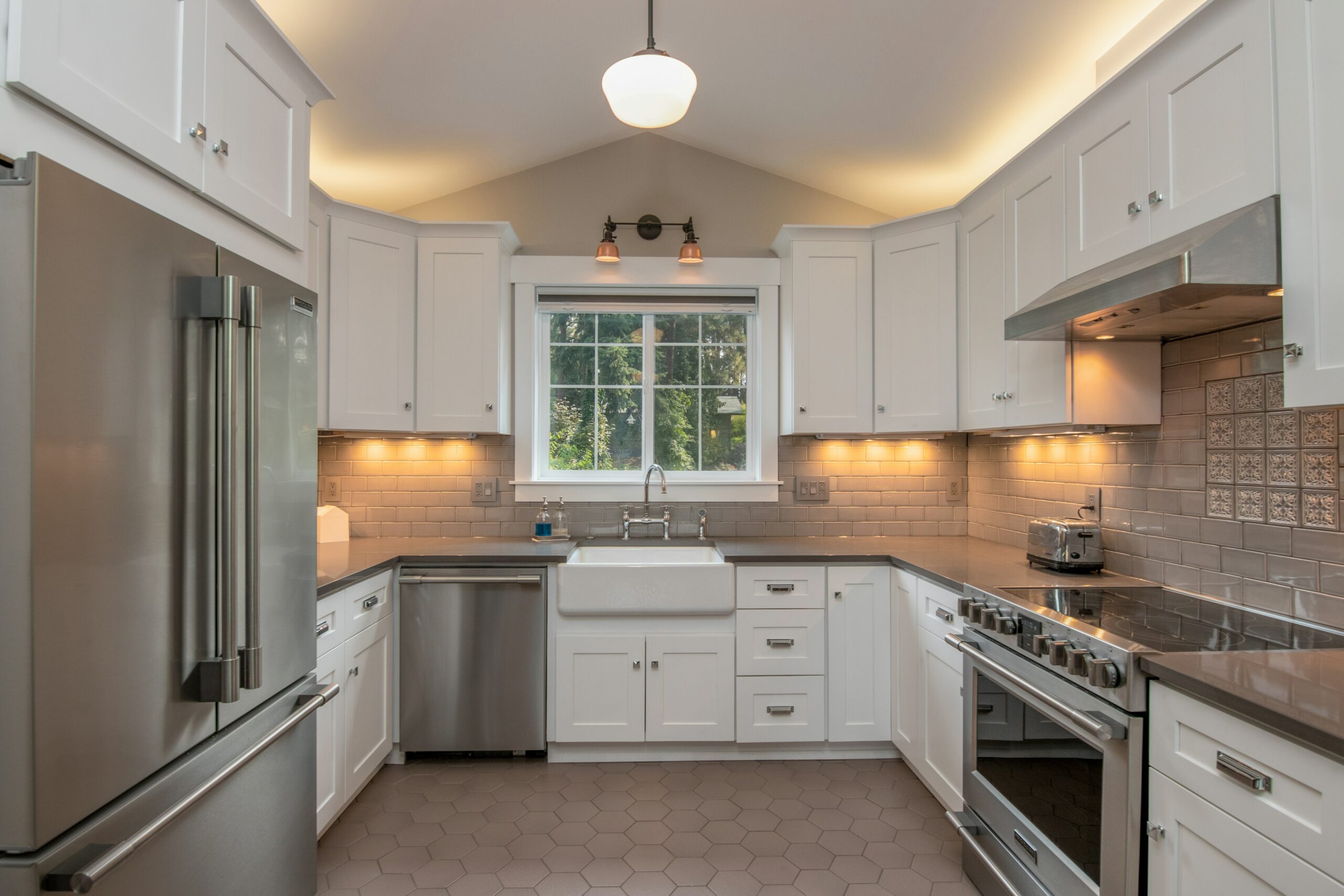
In Islip, favor cosmetic refreshes and targeted system upgrades that deliver a big visual and functional lift at lower cost. Reface or repaint cabinets and add new hardware to modernize without a full replacement; replace countertops only where wear is concentrated. Improve lighting-especially under-cabinet task lights-to boost usability without a large price tag. Upgrade to energy-efficient appliances over time to reduce operating costs. Stage the work: start with surfaces and lighting, then tackle appliances or layout changes when budget allows so the kitchen stays functional during the process.
These tactics let Islip homeowners modernize affordably while managing cash flow and contractor scheduling.
Which Affordable Bathroom Renovation Ideas Deliver High ROI in Suffolk County?
Small bathroom upgrades can yield big wins in comfort and resale perception. Swap dated fixtures and hardware for a modern look, reglaze or refinish tubs and showers to avoid full replacements, and improve ventilation to prevent moisture damage. Refresh grout, install a water-efficient toilet, and update lighting and mirrors-low-cost moves that raise both function and appearance. These targeted changes keep bathrooms useful and appealing to Suffolk County buyers without the price of a full reconfiguration.
Prioritizing moisture control, fixtures, and cosmetic refreshes provides strong homeowner satisfaction and local resale benefits.
How Can Professional Help and Financing Options Support Your Tight Renovation Budget?
Professionals can save money by cutting rework, improving efficiency, and sourcing materials competitively; contractor financing can spread costs so you can finish higher-value work now instead of deferring essential repairs. For projects involving complex trades, code-sensitive work, or structural changes, pros protect schedule and long-term value. Common financing options include home equity lines, personal loans, and contractor-offered programs-each has trade-offs in APR, term, and fees that affect total cost. Compare options by total interest, fees, and how payments line up with project milestones to pick the best fit for your cash flow and goals.
Doug’s Painting & Contracting LLC is based in Islip and serves Suffolk County, NY, specializing in painting (interior and exterior), kitchen and bathroom remodeling, carpentry, deck construction, and installation of windows, and doors. We focus on quality workmanship, clear communication, and offer financing options that can help preserve project scope when budgets tighten. If you’re weighing financing or need a phased plan to complete essential work, contact Doug’s Painting & Contracting LLC to discuss options and request a project quote.
When evaluating contractor financing, ask for clear terms, compare total repayment amounts, and ensure payments align with milestones so you don’t pay for unfinished work.
When Is It Best to Hire Doug’s Painting & Contracting LLC for Budget-Conscious Renovations?
Bring Doug’s in when specialized trades, warranty-backed finishes, or efficient sequencing will reduce your total lifecycle cost-examples include thorough painting prep that prevents frequent touch-ups, cabinet refacing that costs less than replacement, and phased kitchen or bath remodels that keep spaces functional during work. Our local knowledge of Suffolk County labor markets and suppliers helps produce realistic estimates and avoid costly delays. Involving Doug’s early lets us advise on phasing, material allowances, and financing so you can lock scope and start work without surprise escalations. When budgets are tight but results must be durable and code-compliant, hiring a local contractor with the right services often saves money overall.
Bringing a trusted local contractor into budget planning preserves both quality and schedule while helping you evaluate scope adjustments with confidence.
What Renovation Financing Solutions Are Available for Suffolk County Homeowners?
Homeowners typically look at home equity lines of credit for lower APRs on larger projects, personal loans for smaller or faster needs, and contractor financing for project-tied payments. Each option varies by credit requirements, interest rate, and repayment terms-HELOCs often cost less over time but need sufficient equity and a longer application, while personal loans are quicker but may be pricier. Contractor financing can be convenient and aligned with project milestones, but check total cost and any fees. Compare APRs, amortization schedules, and prepayment penalties to find the option that minimizes long-term interest and fits your cash flow.
After reviewing financing choices, consult your contractor and a financial advisor to pick the solution that balances affordability and project timing.
What Are Practical Tips to Manage and Negotiate Renovation Expenses with Contractors?
Good negotiation begins with a clear, written scope and comparable bids so you can spot real differences in cost and quality. Request line-item bids, warranties, and schedule commitments, and evaluate subcontractor qualifications-not just the headline price. Use scheduling flexibility, bundled tasks, and material allowances to find savings that don’t sacrifice quality: combining painting and trim work cuts mobilization costs, and agreed-upon material substitutions can yield price concessions. Watch for red flags like vague scopes, no written warranty, or unusually low bids that skip permits or prep work. The checklist below helps you solicit and compare bids to secure the best value.
- Prepare a written scope and priorities: Share a prioritized scope document with all bidders so quotes are standardized.
- Ask for line-item bids and references: Request itemized estimates and recent local references to confirm performance.
- Compare warranty and scheduling terms: Look beyond price-warranty and reliable timelines protect your investment.
How Can You Get Multiple Contractor Quotes to Ensure the Best Value?
To get comparable bids, create a concise project brief listing priorities, fixed items, and desired allowances, and send it to at least three vetted contractors. Ask for line-item proposals that separate labor, materials, permits, and allowances so you can compare the same items across bids and spot anomalies. Request a project schedule, key subcontractors’ qualifications, and warranty terms-these details often explain price differences and reflect professionalism. Finally, check references and recent local projects to confirm scope fidelity; a low price isn’t worth late delivery or expensive rework.
Standardizing the bid process reduces ambiguity and shows the best combined value of price, schedule, and workmanship.
What Are Key Negotiation Strategies to Lower Your Home Renovation Costs?
Negotiate on timing, materials, and bundling rather than pushing across-the-board discounts that tempt corners. Offer flexible start dates-off-peak scheduling often secures better rates-or bundle small jobs into one contract to cut mobilization fees. Use material allowances with upgrade options so contractors can propose lower-base options you can selectively improve. Tie payments to milestones to align incentives and protect against poor performance. Always document negotiated changes and add them to the contract to prevent misunderstandings that lead to costly disputes.
These approaches lower cost while keeping quality intact by aligning contractor incentives and clarifying expectations.
How Do You Maximize the Value of Budget-Friendly Home Improvements for Long-Term Savings?
Prioritize projects that protect the building envelope and cut ongoing costs-exterior painting, roof and trim maintenance, window and door upgrades, and insulation work deliver long-term savings and preserve value. Interior updates that boost appeal on a modest budget-fresh paint, new hardware, and better lighting-improve livability and resale prospects. Energy-efficient upgrades like windows, insulation, and efficient appliances are investments that can reduce utility bills and attract buyers. Choose projects that combine immediate comfort with durable finishes to capture short-term benefits and long-term ROI in the Suffolk County market.
Picking projects that balance upfront cost with preserved value and lower maintenance maximizes long-term savings and resale readiness.
Which Home Renovation Projects Offer the Highest Return on Investment in Suffolk County?
Work that combines visual impact, low maintenance, and improved function tends to deliver the best local ROI: exterior painting and trim repair protect structure and curb appeal, minor kitchen updates refresh the most-used room, and selective window or door upgrades improve energy performance and looks. Because Suffolk County buyers notice weather-related wear, maintenance-focused work that prevents further degradation carries outsized value. Modest kitchen or bath refreshes that modernize surfaces without total gut renovations often recover cost through better marketability, making them smart choices for budget-conscious owners.
By focusing on protective and visually impactful improvements, homeowners can strengthen long-term value even with a tighter budget.
How Can Energy-Efficient Upgrades Help Save Money Over Time Despite Initial Costs?
Energy-efficient upgrades-better insulation, sealed windows and doors, and efficient HVAC or appliances-lower operating costs and often pay back over time through smaller utility bills. These projects increase comfort and can reduce long-term maintenance; they also appeal to buyers who value lower utility costs. Look for local incentives or rebates that reduce upfront expense and improve payback, and confirm eligibility before budgeting. Evaluate upgrades by simple payback and lifecycle savings to prioritize those that truly reduce household expenses.
Thinking of efficiency as an investment helps you weigh upfront cost against predictable monthly savings.
This article offered step-by-step budgeting, targeted savings strategies, project-specific guidance for kitchens and bathrooms, negotiation tactics, and financing considerations to help Islip and Suffolk County homeowners manage a tightening renovation budget. If you need a local partner to scope a phased plan, review financing options, or provide a detailed quote, get a free quote from Doug’s Painting & Contracting LLC and ask about our financing programs and services to find the best path for your budget and goals.
Conclusion
Keeping a renovation on budget matters here in Islip and across Suffolk County. With clear planning, smart prioritization, and informed material choices you can protect quality while trimming cost. For tailored guidance and hands-on support, consider reaching out to Doug’s Painting & Contracting LLC to discuss your project. Explore our services today and take the next step toward a successful, budget-friendly renovation.