
Quick Answer: “Eggshell works well for most living room and bedroom walls, while satin provides added durability for hallways, kids’ rooms, kitchens, and other busy spaces. Semi-gloss is usually best for trim and doors, while flat or matte finishes work well on ceilings and lower-traffic walls where hiding surface imperfections matters most.”
Choosing a paint color is only half the decision. The finish, also called the sheen, affects how much light the surface reflects, how easily it cleans, and how noticeable wall imperfections become.
A finish that works beautifully in a quiet bedroom may not hold up as well in a busy hallway. Doug’s Painting and Contracting provides professional interior painting services in Nassau & Suffolk County for homeowners who want the color, finish, and surface preparation matched to how each room is actually used.
Paint Finishes at a Glance
| Paint finish | Shine level | Best uses | Main advantage |
| Flat | Very low | Ceilings, low-traffic areas | Hides imperfections well |
| Matte | Low | Bedrooms, living areas | Soft appearance with minimal reflection |
| Eggshell | Low to moderate | Living rooms, bedrooms, dining rooms | Balance of appearance and cleanability |
| Satin | Moderate | Hallways, kids’ rooms, kitchens | More durable and washable |
| Semi-gloss | Higher | Trim, doors, some moisture-prone areas | Durable and easy to clean |
| High-gloss | Very high | Selected trim, cabinetry, accents | Hard, reflective finish |
Product names and sheen levels vary between manufacturers, so always check the specific paint being used.
What Is the Best Paint Finish for Living Rooms?
Eggshell is usually one of the safest choices for living room walls.
It provides a subtle amount of sheen without making the walls look shiny. It also offers more cleanability than a traditional flat finish, which is useful in a room that gets regular use.
Matte can also work well when:
- The walls have minor imperfections
- You prefer a softer appearance
- The room receives substantial natural light
- The walls are not frequently touched or scrubbed
Satin may be useful in especially busy family rooms, but its additional sheen can make dents, patches, and uneven texture more noticeable.
Bedrooms Benefit From Lower Sheen
Eggshell or matte usually works well for adult bedrooms because these rooms do not receive the same wall contact as kitchens, hallways, or children’s spaces.
Choose matte when:
- You want minimal reflection
- Wall imperfections need to be softened visually
- The room receives less physical wear
- You prefer a calm, understated finish
Choose eggshell when:
- You want easier cleaning
- Children or pets use the room
- Walls receive more frequent contact
- You want slightly more durability
For children’s bedrooms, a washable eggshell or satin finish may be more practical.
Which Finish Works Best in Hallways and Entryways?
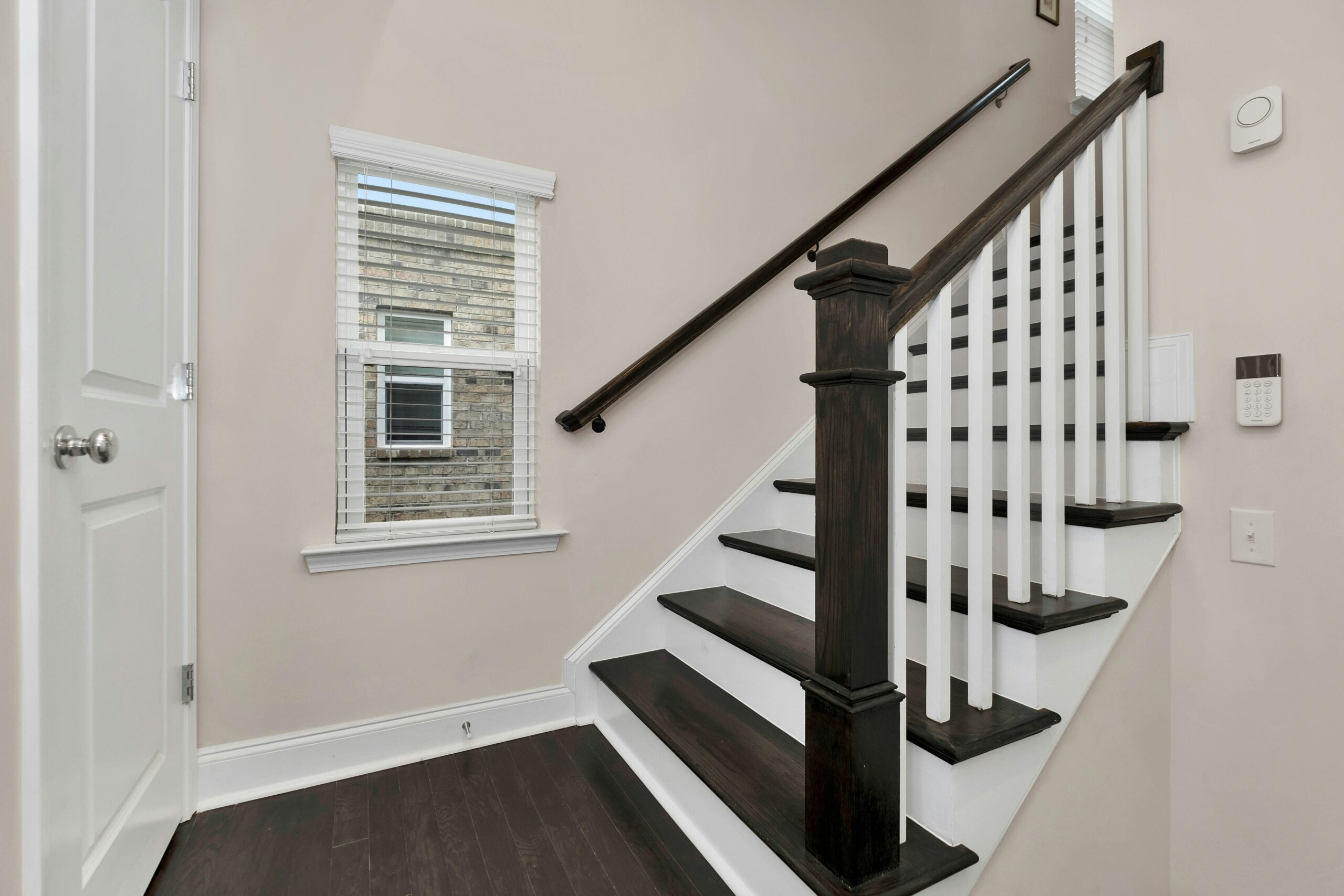
Satin is a strong choice for high-traffic hallways, stairways, mudrooms, and entry areas.
These spaces commonly deal with:
- Fingerprints
- Bags rubbing against walls
- Pet contact
- Shoes and equipment
- Frequent cleaning
- Everyday scuffs
Eggshell can still work when you prefer less sheen, especially with modern washable paint formulations. Satin generally provides an additional level of durability when repeated cleaning is expected.
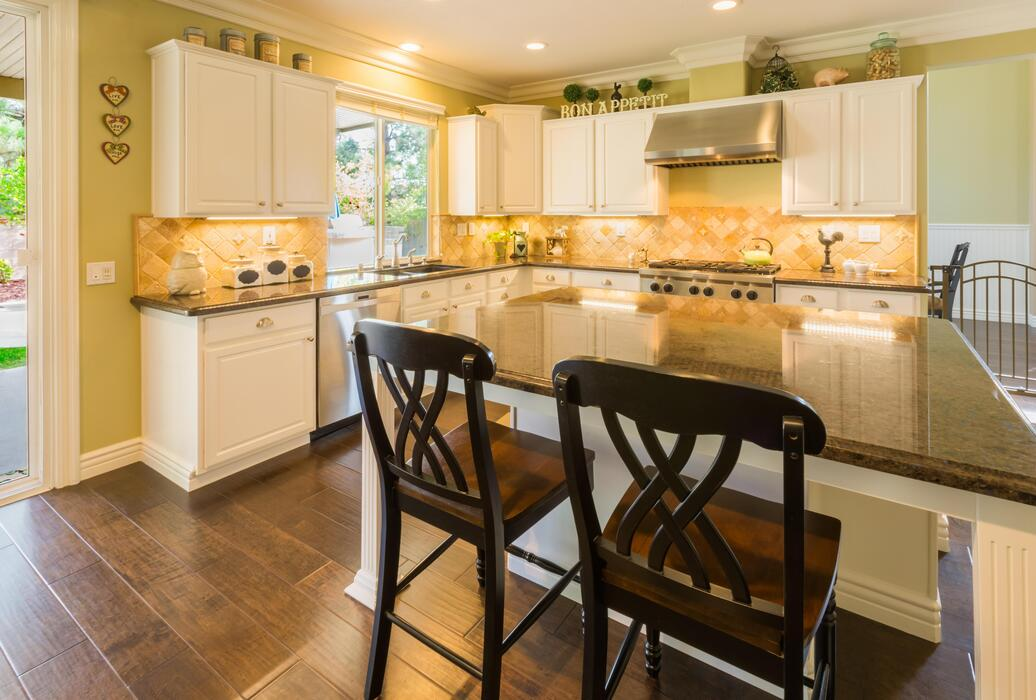
Kitchens Need Durability and Washability
Kitchen walls face grease, food splashes, fingerprints, moisture, and frequent cleaning.
Satin is often a practical choice for most kitchen walls because it balances durability with a finish that is not excessively reflective.
Semi-gloss may make sense in selected high-contact or moisture-prone areas, although using it across every wall can highlight imperfections.
The backsplash and cabinetry also affect the decision. A kitchen with tile covering most work areas may not need as durable a wall coating as one with large painted sections near food preparation areas.
What Paint Finish Is Best for Bathrooms?
Satin and semi-gloss are common bathroom choices because they handle moisture and cleaning better than traditional flat finishes.
The right choice also depends on ventilation.
A well-ventilated powder room has different demands from a bathroom where several people take hot showers every day.
For full bathrooms, prioritize:
- Washability
- Moisture resistance
- Mildew-resistant paint where appropriate
- Proper surface preparation
- Good ventilation
Paint is not a substitute for controlling excessive bathroom humidity.
Flat Paint Is Usually Best for Ceilings
Flat or matte finishes are commonly used on ceilings because they reflect less light and help hide minor surface irregularities.
Ceilings often contain:
- Drywall joints
- Small patches
- Slight texture variations
- Changes in surface level
A shinier finish can emphasize these imperfections as light moves across the ceiling.
Flat ceiling paint also creates a visual contrast with walls painted in eggshell or satin, helping the ceiling remain understated.
Semi-Gloss Works Well on Trim and Doors
Baseboards, window casings, door frames, and interior doors receive significantly more physical contact than most walls.
Semi-gloss is popular for these surfaces because it is durable and easier to wipe clean.
It also creates a subtle visual contrast when walls are painted in a lower sheen.
Semi-gloss is useful for:
- Baseboards
- Door casings
- Window trim
- Interior doors
- Crown molding
- Selected built-ins
Satin can also be used when you want a softer look with less reflection.
Does Higher Sheen Mean More Durable Paint?
Generally, higher-sheen finishes offer greater washability and resistance to repeated cleaning, although modern paint formulas have made some lower-sheen products more durable than older versions.
The tradeoff is appearance.
As sheen increases, reflected light makes surface imperfections easier to see.
A satin or semi-gloss wall may emphasize:
- Poor drywall patches
- Roller marks
- Dents
- Uneven sanding
- Nail pops
- Texture differences
That makes surface preparation especially important when using higher-sheen paint.
Before painting walls where imperfections are visible, follow proper interior paint preparation steps for a smooth, durable finish. Better preparation gives both the color and sheen a more consistent appearance.
Should You Use the Same Finish Throughout the House?
You can use one primary wall finish throughout much of a home, but using the exact same sheen everywhere is not always practical.
A simple whole-home approach might be:
- Living rooms and bedrooms: Eggshell
- Hallways and kids’ rooms: Eggshell or satin
- Kitchens: Satin
- Bathrooms: Satin or semi-gloss
- Ceilings: Flat
- Doors and trim: Semi-gloss
This keeps the appearance consistent while adjusting durability where needed.
How Does Sheen Affect Paint Color?
The same paint color can look slightly different in different finishes.
Higher sheens reflect more light, which can make a color appear brighter or more intense depending on lighting conditions.
Flat and matte finishes absorb more light and often make colors appear softer.
Before painting a full room, view the actual product and sheen under:
- Daylight
- Evening lighting
- Ceiling fixtures
- Lamps
- Light from nearby rooms
A color sample in one finish does not always represent exactly how another sheen will look.
Wall Condition Should Influence the Finish
Older walls are not always perfectly smooth.
If the walls contain many small repairs, waves, dents, or texture differences, a lower-sheen finish can help make them less noticeable.
Higher sheen creates more light reflection, which can reveal those flaws.
For imperfect walls, matte or eggshell often provides a more forgiving result than satin or semi-gloss.
That does not mean damaged walls should simply be hidden with flat paint. Significant cracks, holes, peeling paint, or failed patches should still be properly repaired.
Common Questions About Interior Paint Finishes
Is eggshell or satin better for walls?
Eggshell works well for most living areas because it offers moderate cleanability with relatively low shine. Satin is better suited to higher-traffic or frequently cleaned walls where extra durability is useful.
What paint finish should I use in a bedroom?
Matte or eggshell works well for most bedrooms. Eggshell provides more washability, while matte creates a softer appearance and helps hide minor wall imperfections.
What finish is easiest to clean?
Semi-gloss and higher-sheen finishes are generally easier to clean, but satin also performs well on frequently touched walls. Always consider the specific paint product because durability varies by formulation.
Should ceilings always be flat paint?
Flat paint is the standard choice for most ceilings because it minimizes light reflection and helps hide imperfections. Specialty situations may call for another finish, but flat works well in most homes.
Can I use satin paint in every room?
You can, but it may create more shine than you want in bedrooms and living areas. Satin can also emphasize wall imperfections that would be less noticeable with matte or eggshell.
What finish should I use for baseboards and doors?
Semi-gloss is a common choice because baseboards and doors receive frequent contact and need regular cleaning. Satin can provide a softer alternative when less shine is preferred.
Match the Paint Finish to How the Room Is Used
There is no single paint finish that is best for every room. Eggshell provides a dependable balance for many living spaces, satin adds durability in higher-traffic areas, semi-gloss works well on doors and trim, and flat or matte finishes remain useful where minimizing reflection and hiding minor imperfections matters most.
The best result comes from considering the room, surface condition, lighting, cleaning needs, and paint product together.
If you are planning an interior painting project in Nassau County or Suffolk County, contact Doug’s Painting & Contracting for a painting quote to choose the right paint and finish for each room and get the surfaces properly prepared before painting begins.